The Actual Reason Some Layered Outfits Look Sleek and Others Look Bulky
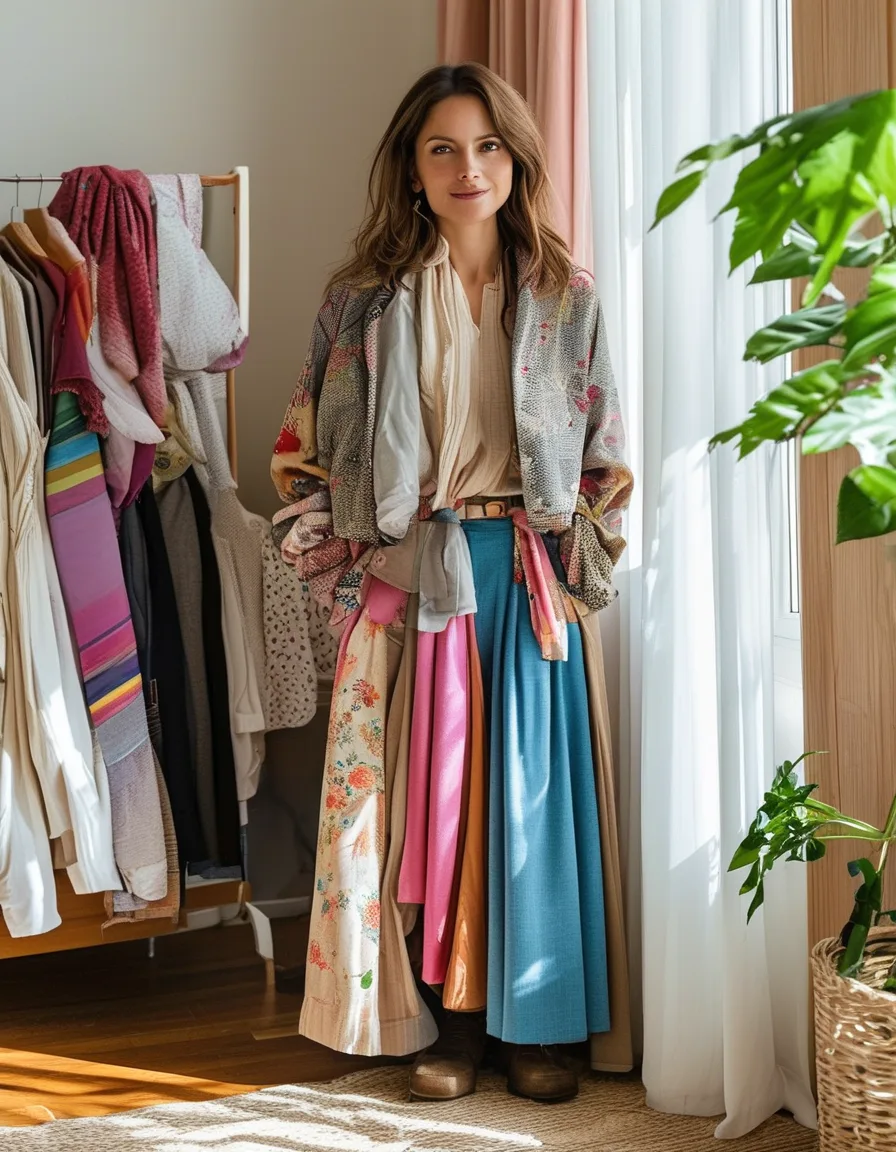
Two outfits with the exact same number of layers can look completely different — one genuinely sleek, one visibly bulky — and the actual reason has considerably less to do with the total number of layers worn and more to do with how fabric weight gets distributed specifically across those layers.
Why Layering Success Genuinely Depends on Fabric-Weight Distribution
Stacking several similarly heavy or bulky fabrics directly on top of each other genuinely compounds bulk at every point where they overlap, while combining fabrics of deliberately different weights — a fitted lightweight base under a bulkier outer layer, for instance — genuinely distributes the total bulk more strategically rather than compounding it uniformly across the whole silhouette.
The Concrete Distribution Principle Actually Involved
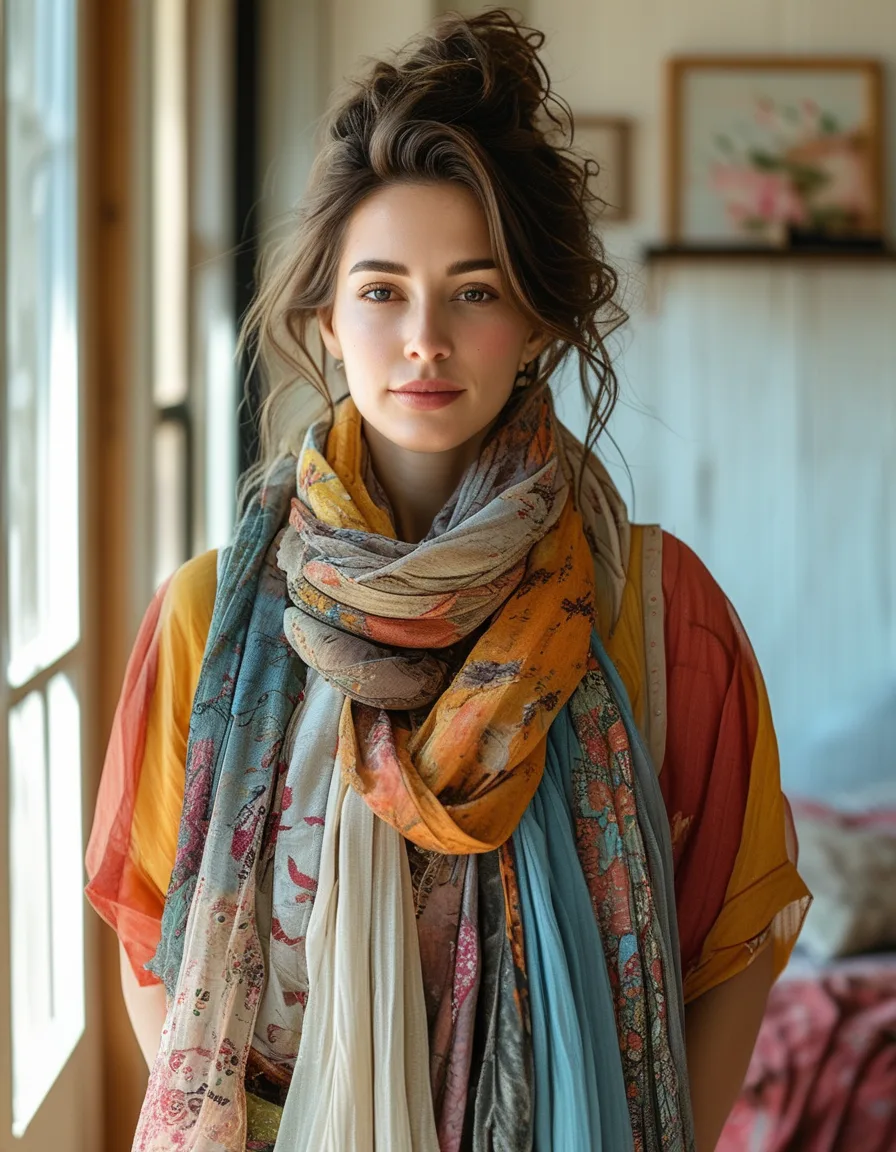
Keep the layer closest to the body genuinely lightweight and fitted specifically, and reserve any bulkier, heavier fabric for the outermost layer only, since bulk concentrated at the outer layer reads as an intentional silhouette choice, while bulk compounding across multiple inner layers simultaneously reads as accidental and genuinely overwhelming on the body.
Applying This Principle When Adding a Layer to an Existing Outfit
Before adding any new layer to an outfit, check the fabric weight of every layer already being worn underneath it and deliberately choose a new layer that varies from those existing weights rather than matching them — if the layers underneath are already lightweight, a bulkier new outer layer works, but adding another bulky layer to already-bulky layers underneath is what actually produces the compounding, overwhelming bulk effect.
Layering success genuinely depends on how fabric weight gets distributed across layers rather than on the total number of layers worn, since stacking several similarly bulky fabrics directly on top of each other compounds bulk at every overlap point, while keeping the layer closest to the body lightweight and fitted and reserving bulkier fabric for the outermost layer only distributes that bulk strategically — so checking the weight of existing layers before adding a new one, and deliberately varying rather than matching that weight, is what actually keeps a layered outfit looking sleek rather than bulky.
Keep Reading
This article is for general styling and informational purposes only. Trends, sizing, availability and pricing may vary by brand and season.